Listing a career break on your CV openly, with a one-line reason, is the better choice for most people, and it’s what I do. From October 2020 to August 2021 I stepped away from work to care full-time for a close family member during cancer treatment, and that year sits on my CV in plain words. Most career advice says to hide a gap or dress it up as freelancing; this is why I don’t, what the year changed about how I work, how to talk about a break in an interview, and what a company’s reaction to a caregiving gap tells you about it.
A career break on your CV is easier to own than to hide, and owning it filters for the employers worth working for. There’s a line on mine between my IT consultancy role and my sports marketing role, and it reads:
“Family Caregiving Sabbatical | Oct 2020 to Aug 2021 | Full-time support for a close family member during cancer treatment.”
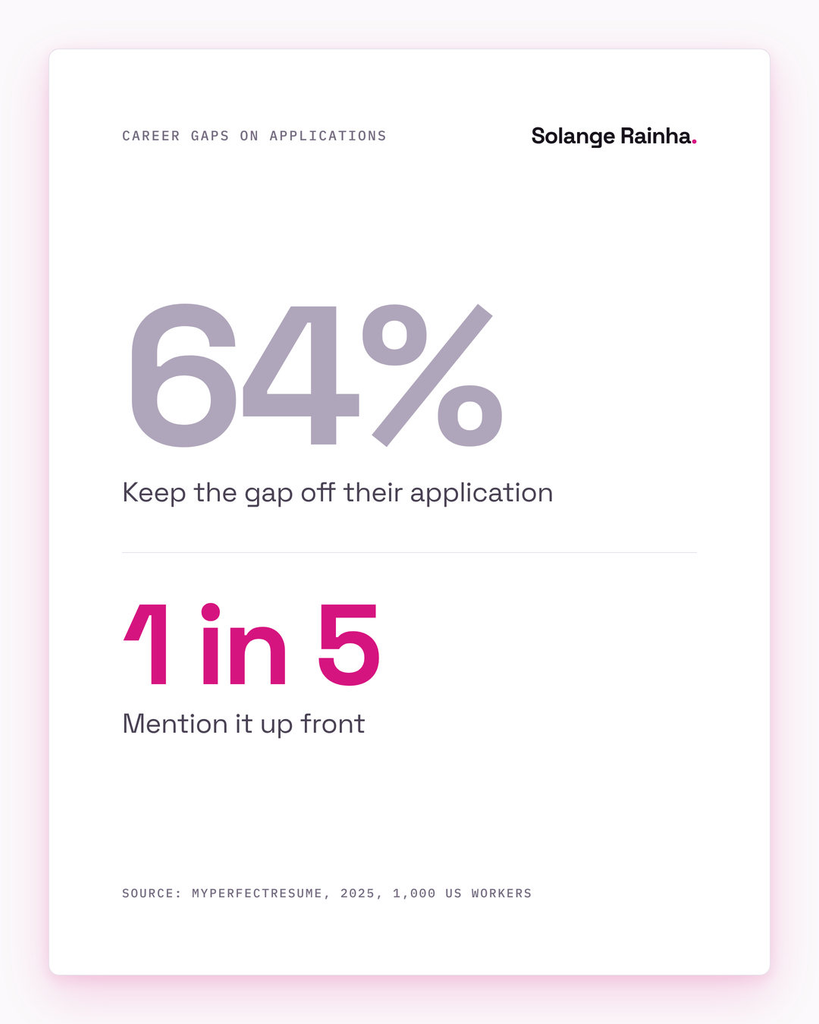
That’s the whole entry, and it doesn’t dress anything up. The standard advice is to shrink it: list some freelance work to cover the gap, shuffle the dates to make it shorter, or call it a “professional development sabbatical” and hope nobody asks. Most people follow that advice: in a 2025 MyPerfectResume survey of 1,000 US workers, 64% of those with career gaps said they’d rather keep the break off their application and only discuss it if a hiring manager raises it, while about one in five mention it up front. I’m in that one in five.
Why put a career break on your CV instead of hiding it?
Because hiding it would mean treating the most important work I did that year as a source of shame. I left my job to look after someone I loved through the worst year of their life: I managed their treatment schedule, drove them to every appointment, handled the logistics cancer patients can’t handle themselves, and held everything together while watching them fight for their life. No marketing role I’ve had asked me for that much resilience over that long, or made me prioritise that fast under pressure while making emotionally intelligent decisions.
Covering it with invented freelance dates or a vague gap would be dishonest, and it would tell an employer I’m willing to sanitise my life for their comfort, which is a kind of compliance I’m not interested in performing. So the line on my CV works as a filter: companies that read it and move on understand that people have lives outside work, and the ones that hesitate are showing me how they treat employees when life gets complicated.
| How people handle a gap | What it looks like on the CV | The risk |
|---|---|---|
| Leave it blank | Dates that don’t join up | Invites the question with no answer ready |
| Fill it with “freelance” or “consulting” | A role with no clients or results | Falls apart in the first follow-up question or reference check |
| Rename it vaguely | “Professional development sabbatical” | Reads as a cover-up |
| List it plainly | One line with the reason and dates | Some employers will pass, and those are the ones you want to find out about |
Why does career break stigma still exist?
Because hiring is still built on a story of continuous upward progress, even though breaks are common. Nearly half of US workers (47%) have had a break in their careers, according to the same MyPerfectResume survey, and 30% of workers believe employers still see gaps as a red flag, while 38% are highly concerned a gap could hurt their job prospects. The ideal candidate in most hiring processes never stopped or stepped sideways and always put career progression first, which hasn’t described most people’s lives in decades. It’s the same tidy-path thinking that treated my lack of a marketing degree as disqualifying, which I’ve written about in marketing without a degree.
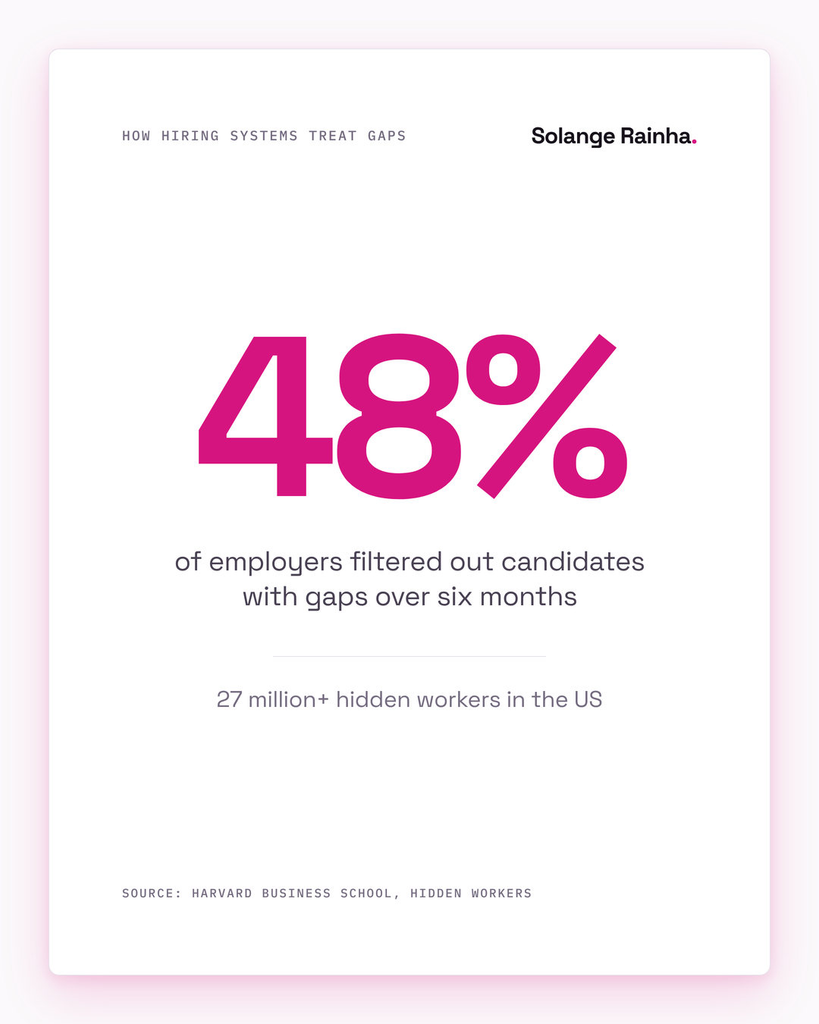
The hiring systems enforce it too: in Harvard Business School’s Hidden Workers research, 48% of employers said they filtered out middle-skills candidates with employment gaps of more than six months, and the authors estimated more than 27 million people in the US are shut out by hiring processes like that. People who often haven’t read past the CV screen candidates out on a date range, a double standard I’ve called hiring research asymmetry. The researchers put it plainly:
“These workers are ‘hidden’ by traditional hiring processes.”
And the people with gaps aren’t standing still: in UK research by the hiring platform Applied, reported by Euronews, 51% of employees who’d taken a break said they gained transferable skills or improved existing ones while off work, and half felt they had to lie to employers about gaps on their CVs. Nothing in that evidence says people with breaks are less capable, so the stigma comes from an idea of what a career should look like, and that idea hasn’t caught up with how people live.
What did the career break teach me?
I’m careful here, because caregiving isn’t secretly a professional development opportunity: it’s exhausting and emotionally devastating, and nobody should have to frame the hardest year of their life as a growth experience to satisfy a hiring manager’s curiosity. That said, I did come out of it with capabilities I didn’t have before, and they change how I work.
- Sustained pressure management. Marketing pressure comes in deadlines and quarterly targets with some relief after each launch, while caregiving through cancer treatment meant months of it with no relief and no weekend off. After that, quarter-end stress doesn’t make me panic, because I’ve worked through worse.
- Then there’s ruthless prioritisation: managing treatment logistics, family communication, insurance, medication schedules and my own wellbeing at once taught me to spot what counts and drop the rest without guilt. That went straight into how I run content priorities, and the discipline behind the content system I’ve written about partly comes from that year.
- Emotional intelligence under duress. I talked to family members in crisis and had hard conversations with doctors while supporting someone through fear without absorbing all of it. People call these soft skills, and there’s nothing soft about developing them.
What does penalising career gaps tell you about a company?
It tells you the company screens for the appearance of continuous devotion to work rather than for capability, and those two tests pick very different people. A candidate with an unbroken timeline might have kept showing up through a personal crisis and underperformed for months, and the one who stepped away, dealt with the crisis properly and came back with full focus made the braver, more professional choice.
I want to work for a company that reads a caregiving gap and moves straight on, whether or not I ever need another sabbatical, because the way it treats an obvious caregiving gap is a fair guide to how it treats every human complication: illness, parental leave, mental health, burnout. It’s the same reason I treat a contract negotiation as a preview of the job, and why I think candidates should do their own research on employers as carefully as employers research them.
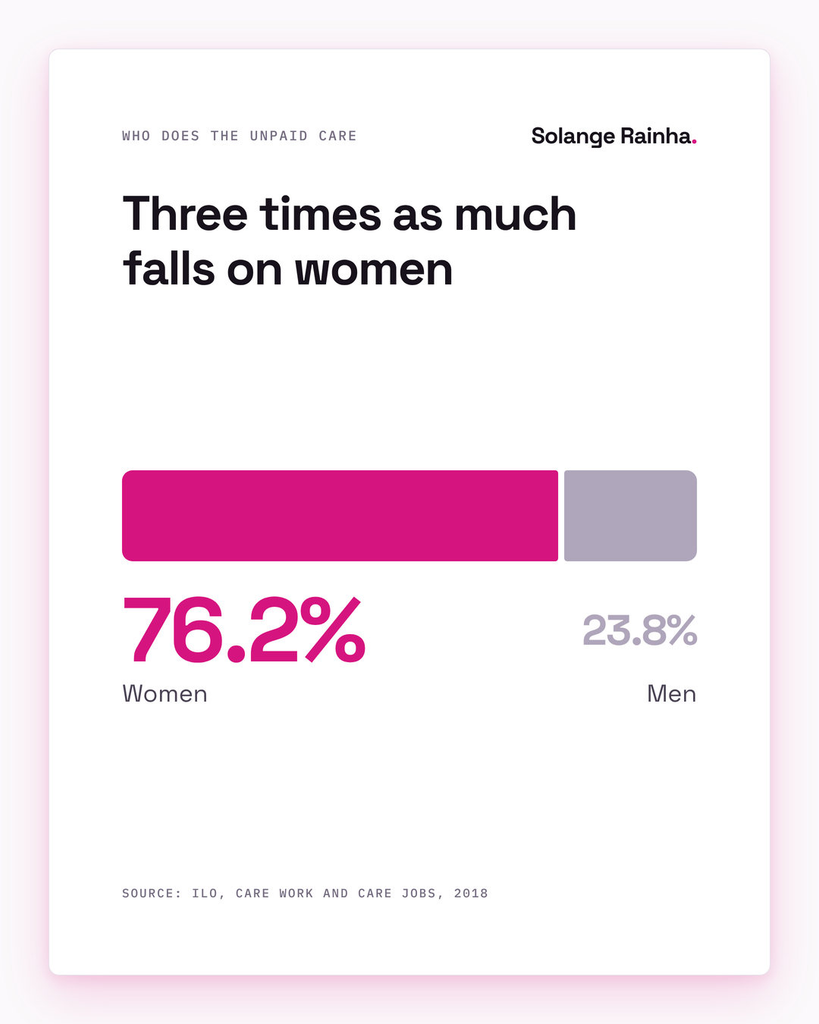
Caregiving gaps also fall hardest on women: the ILO’s Care Work and Care Jobs report found women perform 76.2% of all hours of unpaid care work worldwide, more than three times as much as men, so a hiring process that punishes caregiving gaps screens out women more than anyone. And it isn’t rare: AARP and the National Alliance for Caregiving’s Caregiving in the US 2025 counted 63 million family caregivers in the US, up 45% in a decade.
The best work on my CV comes straight after the gap, and a hiring process that screened me out for it would have missed everything that followed, which is a version of the mistake I’ve written about in short tenures that end in a company collapse.
How should you talk about a career break in interviews?
Say what happened in plain words and keep the skills part short, and if the interviewer reacts badly, treat that as information. This is how I handle it.
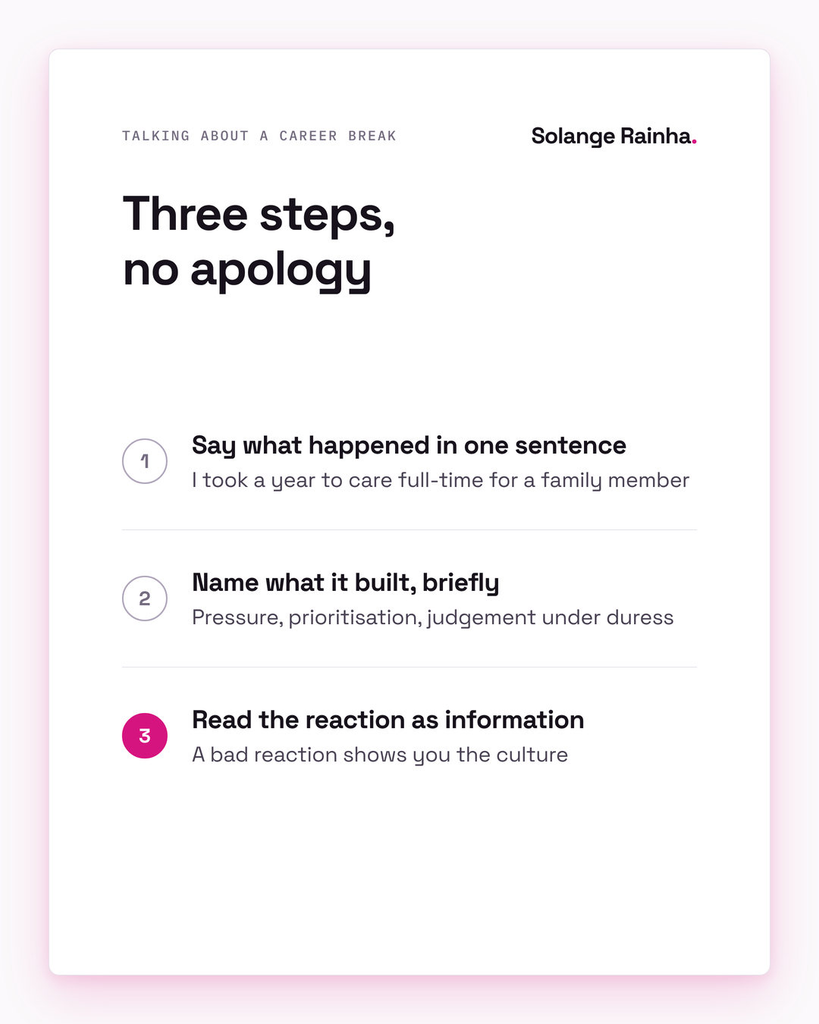
Say what happened, in one sentence. “I took a year away from work to provide full-time care for a family member during cancer treatment.” Don’t apologise, and don’t pad it with detail or emotion.
If you’re asked what you learned or how you stayed sharp, answer briefly: you can name what the year built (sustained pressure management, prioritisation, emotional intelligence), but don’t sell the break as a training programme, because it was a human situation and you handled it.
If the interviewer reacts badly or probes uncomfortably, take note. Someone who can’t handle a straightforward answer about family caregiving is showing you what the company looks like when employees face personal problems, which is exactly what you need to know before you sign anything.
Frequently asked questions
Putting a career break on your CV is a personal decision, but the case for listing it is strong. Hiding a gap means inventing work or blurring dates, which can unravel in a follow-up question or a reference check. A one-line entry with the reason and dates makes the break ordinary and filters for employers who respect it. Only about one in five workers with career gaps mention them up front, according to a 2025 MyPerfectResume survey, so doing it also sets you apart from the majority who don’t.
Explain a caregiving career break in one plain sentence and without apology: “I took time away from work to provide full-time care for a family member during a serious illness.” If asked what you learned, mention skills like sustained pressure management, prioritisation in a crisis or emotional intelligence under duress, but don’t sell the break as professional development. If the interviewer reacts badly, treat it as useful information about how the company handles employees’ lives outside work.
Career breaks can affect hiring, mostly because of how screening systems are set up rather than because people with breaks are less capable. Harvard Business School’s Hidden Workers research found 48% of employers filtered out middle-skills candidates with gaps of more than six months, even though nearly half of US workers have had a career break. The bias falls hardest on women, who do 76.2% of the world’s unpaid care work according to the ILO, so a CV that lists a caregiving break openly helps you find the employers whose processes don’t penalise it.